Why Certificates Of Analysis Coas Matter In Research Study
Air Conditioner Peptide Screening Labs Third-party Peptide Analysis

- Having this degree of detail assists a laboratory spot anything weird before they proceed a research study.
- Independent testing can offer additional confidence, but it is just purposeful when supported by proper upstream controls.
- A Certificate of Evaluation (COA) verifies essential quality attributes for each lot of a research study peptide.
- Malfunction of the primary sections commonly included in a peptide certification of evaluation utilized for research study compound verification.
- Google reCAPTCHA assists safeguard websites from spam and abuse by validating individual communications through obstacles.
Assess The Provider As A Whole
Legitimate laboratories maintain screening documents and can confirm authenticity when supplied with batch numbers and screening days. Amino acid evaluation (AAA) quantifies the specific amino acids present after full hydrolysis of the peptide. This method verifies that the correct amino acids exist in appropriate ratios, giving additional identification confirmation beyond mass spectrometry. The product identification area defines the peptide name, molecular formula, molecular weight, and Chemical Abstracts Service (CAS) number when relevant.Coa And Testing Discussed: A Comprehensive Guide
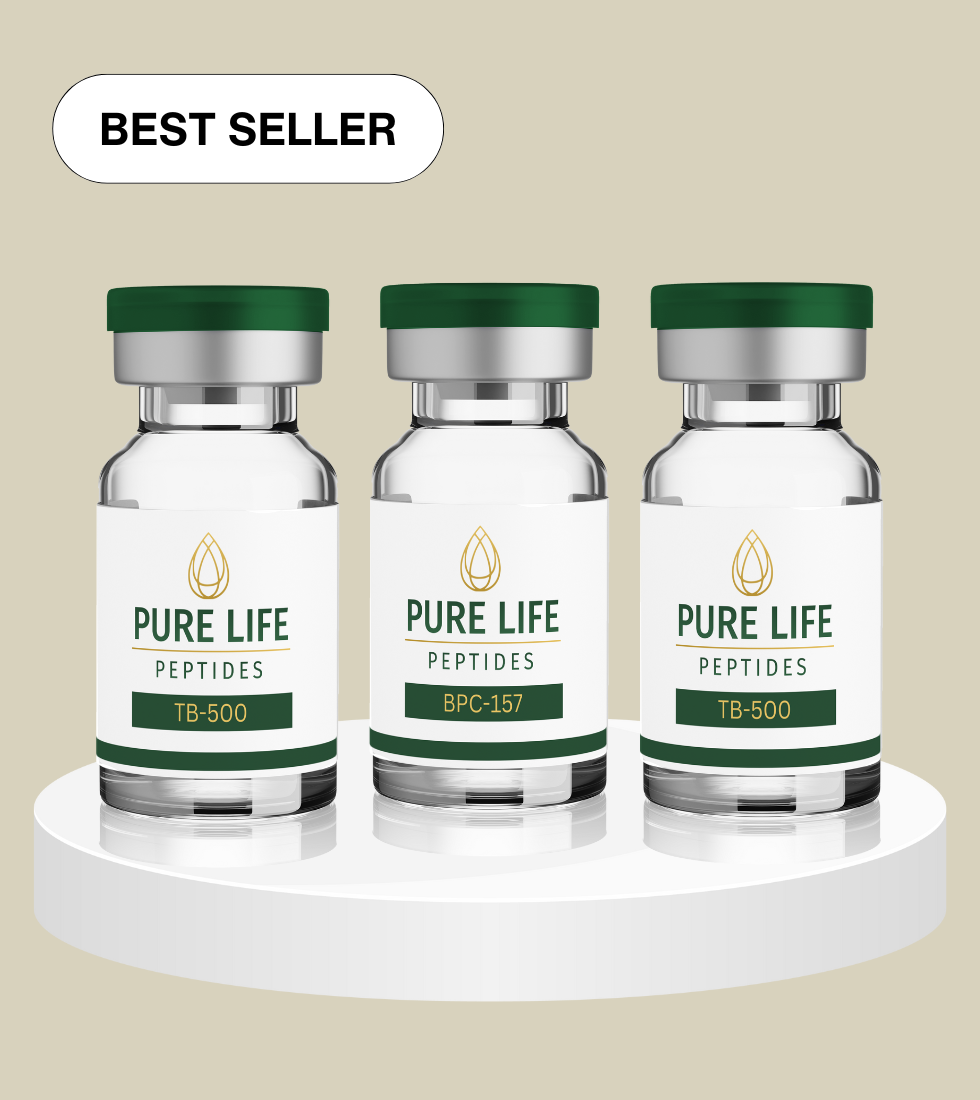
Overview of the research laboratory operations made use of to verify peptide research compounds with logical testing and recorded certificates of analysis. A peptide CoA helps confirm the product's identity, showing essential information like purity and examination results. This comes to be a lot more crucial in January, when many labs go back to complete timetables after the vacation break. With research study rebooting, having appropriate documentation in position implies much less time double-checking and more time focused on the research itself. A reliable CoA consists of batch-specific information, analytical methods, chromatograms or ranges, testing dates, laboratory accreditation, and third-party verification where relevant. Great site Distinctions between third-party lab results and reported purity are typically because of variations in logical technique.
A clean chromatogram shows a single leading height with minimal baseline sound and couple of secondary peaks. Several substantial heights or elevated standard readings recommend contamination or destruction issues. Pureness represents the most critical statistics on any kind of peptide COA, with research-grade peptides usually needing minimal 95% purity and higher-grade items achieving 98% or higher. High-Performance Fluid Chromatography (HPLC) functions as the gold requirement for peptide purity decision.